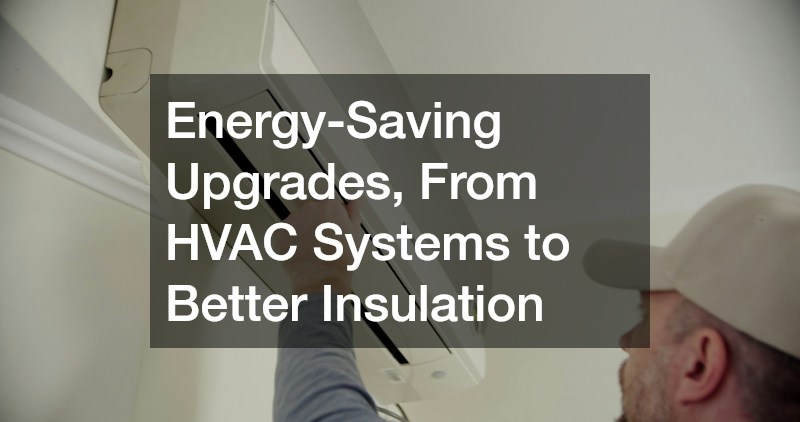

Embark on a transformative journey towards creating a more energy-efficient home, a journey that not only fosters environmental sustainability but also contributes to significant financial savings. In today’s world, where energy conservation is more important than ever, understanding the myriad of upgrades available can make all the difference. This comprehensive guide dives deep into essential home improvements, ranging from upgrading HVAC (Heating, Ventilation, and Air Conditioning) systems to integrating superior insulation solutions. These enhancements are critical not just in reducing your carbon footprint but also in enhancing the comfort and livability of your home.
The realm of energy efficiency encompasses a vast array of techniques and technologies, each offering unique benefits. With this in mind, our article aims to demystify the complexities surrounding home energy upgrades. We provide in-depth insights and practical advice on selecting and implementing changes that align with your specific needs and goals. Whether you’re interested in cutting down on energy bills, lessening your environmental impact, or simply ensuring a cozy temperature all year round, this guide serves as a vital resource. Join us as we explore the practical considerations, potential challenges, and rewarding outcomes of enhancing energy efficiency within the comforts of your own home.
1. How Effective Are Window Replacements in Energy Saving?
Understanding the Types of Energy-efficient Window Glass
Replacing windows in a home can have a profound effect on energy efficiency. Improved window technology includes options like Low-E coating, which reflects heat and provides superior insulation. Window glass replacements with such technologies significantly decrease heating and cooling needs, thus reducing energy bills.
Benefits of Double and Triple-glazed Windows
Double and triple-glazed windows offer enhanced insulation compared to traditional windows. These windows are designed with multiple layers of glass that trap air or inert gases like argon, providing an effective barrier to heat flow. By upgrading to these windows, homeowners enormously improve thermal comfort and energy efficiency.
Cost Considerations and Long-term Savings
While the initial cost of window glass replacements might be significant, the long-term savings on energy bills are compelling. Homeowners often find that, over time, these savings offset the initial investment costs. Additionally, such window upgrades can increase a home’s market value, making them a financially savvy choice.
2. What are the Advantages of Insulation?
Comparing Spray Foam with Other Insulation Types
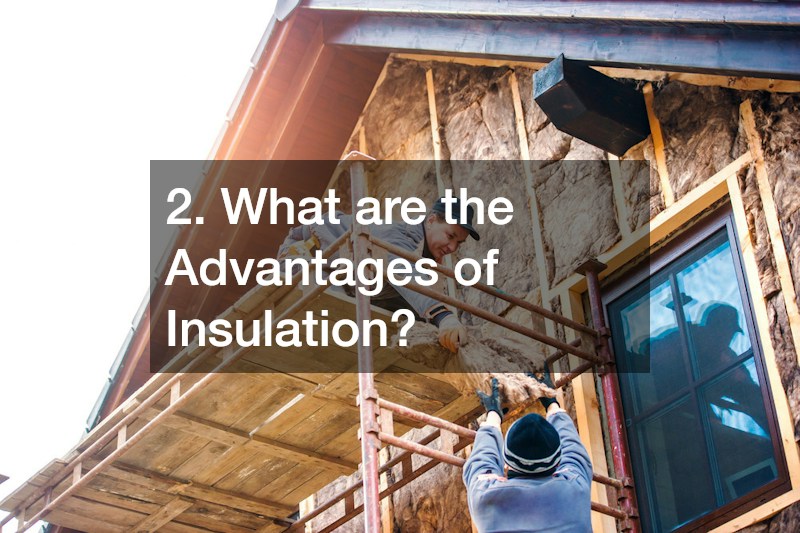
Spray foam insulation provides exceptional thermal resistance compared to traditional insulation types like fiberglass and cellulose. Its application fills cavities completely, creating an effective air barrier and preventing thermal bridging. This comprehensive sealing enhances overall energy efficiency by minimizing energy losses.
Impact of Spray Foam on Home Energy Efficiency
Spray foam insulation enhances a home’s energy efficiency by up to 50% due to its airtight characteristics. It is versatile and can be applied in walls, ceilings, and floors, maximizing thermal performance throughout the home. By keeping conditioned air inside, it reduces the workload on heating and cooling systems.
Finding a Local Insulation Company for Installation
Engaging a local insulation company has the advantage of personalized service and expertise suited to local climate conditions. They can provide tailored solutions that ensure optimal performance and efficiency for your specific needs. Moreover, local companies often provide efficient service guaranteeing proper installation and minimal disruption.
3. How Can Insulation Companies Improve Energy Efficiency?
Assessing Insulation Needs in Different Climates
Local insulation companies have expert knowledge of the climate variations within a given area and can recommend suitable insulation types. They can perform home energy audits to identify the most critical areas needing insulation upgrades. This customized approach ensures that homeowners are investing precisely where it counts for maximum energy savings.
Insulation Techniques from Local Professionals
Professionals from local insulation companies employ advanced techniques such as infrared thermography to identify areas of energy loss. They use high-quality materials and methods that adhere to local building codes, ensuring a job well done. These enhancements contribute significantly to a more stable indoor environment and reduced energy costs.
Cost-Effectiveness of Using a Local Insulation Company
Local insulation companies often provide competitive pricing and the added benefit of reduced travel costs. Their presence in the community often translates to timely service and post-installation support. This partnership frequently results in a more efficient process and long-term cost savings for energy-conscious homeowners.
4. Why is HVAC Maintenance Crucial for Energy Saving?
Routine Maintenance to Improve System Efficiency
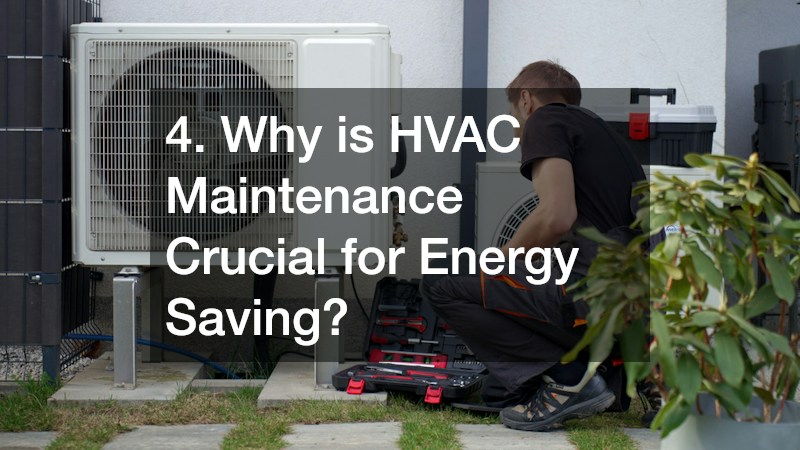
Regular maintenance of HVAC systems is essential for peak performance and energy efficiency. Scheduled checks by HVAC services can identify potential issues before they exacerbate, ensuring smooth operation. This proactive approach helps in maintaining optimal indoor comfort levels and avoiding spike costs related to emergency repairs.
Choosing Energy-efficient HVAC Systems
Investing in energy-efficient HVAC systems can lead to substantial savings on utility bills. Modern HVAC technologies, such as smart thermostats and variable-speed motors, provide precise temperature control with minimal energy use. Homeowners should consider these systems for their potential to reduce energy consumption by up to 20%.
Balancing Upfront Costs with Long-term Benefits
While energy-efficient HVAC systems may carry higher upfront costs, the long-term benefits are substantial. Reduced energy bills, improved comfort, and increased home value contribute to an excellent return on investment. Additionally, discovering available rebates or incentives can further offset these initial expenses, making the transition more financially viable.
5. How Do Water Heater Replacements or Repairs Contribute to Energy Efficiency?
Common Problems with Traditional Water Heaters
Water heater repairs are sometimes necessary due to issues like sediment buildup, faulty thermostats, or leaks. These problems disrupt efficient operation and increase energy waste in the system. Routine inspections and timely repairs ensure that water heaters leverage their full efficiency potential.
Benefits of Repairing vs. Replacing Water Heaters
Repairing a water heater can be more cost-effective in the short term when compared to replacement. However, appliances nearing the end of their lifespan might benefit more profoundly from upgrades. Homeowners should weigh repair versus replacement costs, considering efficiency levels and potential energy savings in a holistic assessment.
Energy-efficient Alternatives and Solutions
Adopting energy-efficient alternatives like tankless water heaters can substantially lower energy usage. Unlike traditional units, they provide hot water on demand without maintaining a reserve, thus conserving energy. Such solutions align with eco-conscious living and contribute to a decreased carbon footprint.
6. What Role Do Roofing Repairs Play in Energy Conservation?
Identifying Roof Issues Affecting Energy Efficiency
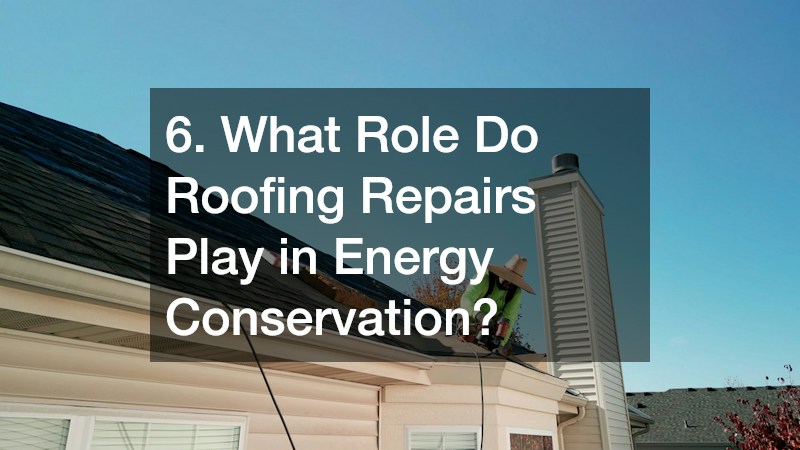
Neglected roof repairs can lead to significant energy losses due to poor insulation and air leaks. Common problems like missing shingles, damaged flashing, or inadequate insulation compromise the roof’s energy barrier. Timely roof inspections by qualified professionals can prevent such energy inefficiencies.
Approaches to Roof Repair by Roofing Services
Roofing services employ innovative repairing techniques to enhance the energy efficiency of home roofs. They utilize energy-efficient materials that improve reflectivity and insulating value, reducing heat absorption. By fixing faults early, homeowners prevent larger issues and contribute to better structural longevity.
Importance of a Reliable Roofing Service
Choosing a reliable roofing service ensures that repairs are conducted with utmost professionalism and high-quality materials. Skilled roofing contractors provide warranties that safeguard against recurrent roofing issues. This investment in quality helps in maintaining an energy-efficient home environment.
7. How Can Siding Help Enhance Your Home’s Energy Efficiency?
Types of Siding Materials for Better Insulation
Various siding materials such as vinyl, fiber cement, and insulated siding offer varying degrees of thermal resistance. Siding contractors can help homeowners select the right type based on aesthetic preferences and insulating needs. Well-insulated siding acts as an additional thermal barrier, reducing energy costs significantly.
Energy-saving Benefits of Professional Siding Installation
Professional siding installation ensures that materials are correctly fitted and sealed to provide optimal performance. This precision minimizes heat transfer and enhances the building’s envelope integrity, contributing to energy savings. Moreover, professional contractors often offer energy guarantee programs evidencing the impact of their work.
Choosing the Right Siding Contractor
Selecting the right siding contractor involves looking at their reputation, experience, and material options. A well-chosen contractor can guide homeowners through energy-efficient choices and precision installations. Benefits include enhanced home aesthetics, protection from outdoor elements, and lower utility costs.
8. Why is Duct Cleaning Important for Energy Savings?
Impact of Clean Ducts on HVAC Efficiency
Clogged ducts reduce airflow and overall HVAC efficiency, causing systems to work harder and consume more energy. Regular duct cleaning service is crucial as it maintains system efficiency and improves indoor air quality. Clean ducts ensure that conditioned air reaches its intended rooms without obstruction, promoting energy savings.
Signs you Need a Duct Cleaning Service
Indicators of needing a duct cleaning service include reduced airflow, unusual odors, or visible dust accumulation in and around vents. Addressing these signs promptly can prevent further damage to HVAC systems and ensure optimal performance. Regular inspections and cleaning prevent allergen build-up and enhance air quality.
Benefits of Regular Duct Maintenance
Routine maintenance of ducts not only supports energy efficiency but also extends the lifespan of HVAC systems. It ensures healthy indoor environments by reducing the circulation of dust, pollen, and other allergens. Homeowners benefit from cleaner air, enhanced system performance, and prolonged equipment durability.
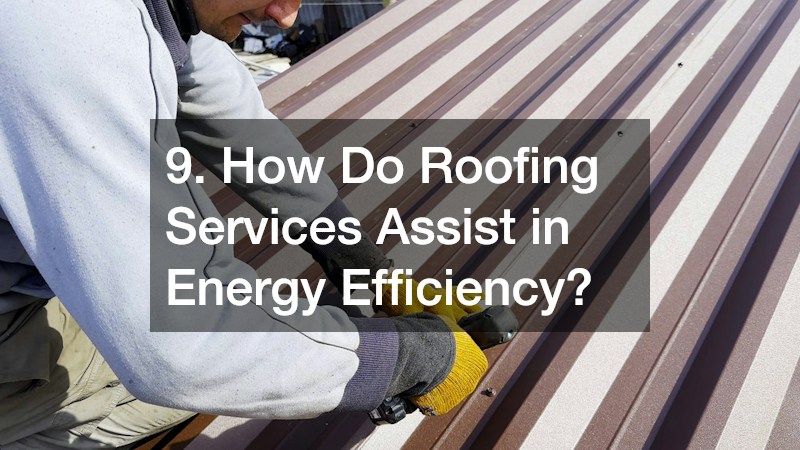
9. How Do Roofing Services Assist in Energy Efficiency?
Qualities of a Reliable Roofing Contractor
A reliable roofing contractor brings expertise, transparency, and quality workmanship to roof repair and installation projects. They are knowledgeable about the latest energy-efficient materials and technologies. By choosing a reputable contractor, homeowners can maximize the energy conservation potential of their roofing projects.
Energy-efficient Roofing Solutions
Energy-efficient roofing solutions include cool roofs, solar-reflective shingles, and proper attic ventilation. These options help to minimize heat absorption and improve a home’s thermal performance. Homeowners interested in reducing energy usage should consider these advanced materials for their roofs.
Extending Roof Life with Proper Maintenance
Regular maintenance conducted by roofing contractors can extend a roof’s life, maintaining its integrity and efficiency. Inspections identify early signs of wear and tear, allowing for preemptive interventions. This proactive approach protects investments and ensures sustained energy efficiency.
10. What Other Considerations Are There for Home Energy Savings?
Integrating Energy-saving Home Technologies
Smart home technologies, such as programmable thermostats and smart lighting, are crucial for achieving energy savings. These devices provide precise control over energy use, allowing homeowners to significantly reduce consumption. Integration of such technologies can often result in utility bill savings of 10% or more.
Investment in Sustainable Home Upgrades
Upgrading to sustainable home features like solar panels and LED lighting reflects a commitment to energy conservation. While initial investments may be high, the long-term benefits include reduced environmental impact and cost savings. Sustainable upgrades are also likely to increase a property’s market value significantly.
Maximizing Energy Credits and Incentives
Governments and utility companies often offer credits and incentives to encourage energy-efficient home improvements. Homeowners should explore these options, as they can reduce the effective cost of upgrades. Taking advantage of such programs ensures a more affordable path to achieving an energy-efficient home.
In today’s rapidly evolving world, the importance of adopting energy-saving upgrades has never been more significant. This practice serves as a strategic approach not only to enhancing your home’s sustainability but also to reducing the escalating costs of utilities. As energy concerns continue to dominate global discussions, taking proactive measures to optimize the energy efficiency of our homes translates into tangible benefits for both individuals and the environment.
One of the primary considerations when embarking on this journey towards improved sustainability is window replacements. Old or inefficient windows often allow heat to escape during winter months and enable unwanted heat to enter during the summer. By investing in modern, energy-efficient window solutions, you can significantly minimize the amount of energy needed to regulate indoor temperatures. This not only leads to a more comfortable home environment but also reduces the burden on heating and cooling systems.
Moreover, enhancing your home’s insulation can greatly contribute to an energy-efficient living space. Proper insulation ensures that your home retains heat during colder months and stays cool during the summer, requiring less energy to maintain comfortable indoor conditions. Whether it’s attic insulation, wall insulation, or flooring options, there are various methods to enhance the thermal performance of your dwelling.
Another crucial element in the pursuit of energy-saving is HVAC maintenance. Regular checks and maintenance of HVAC systems can prevent energy waste attributed to malfunctioning components or poorly performing systems. By ensuring that your heating, ventilation, and air conditioning units are operating efficiently, you can lower energy consumption and extend the lifespan of these systems, which is a sensible financial investment in the long run.
Altogether, by carefully considering and implementing these energy-saving upgrades, homeowners can substantially reduce utility expenses. In addition, these measures contribute to creating a more comfortable living environment while playing a vital role in the global effort to decrease energy consumption and combat climate change. Through thoughtful decision-making and a commitment to sustainability, we can pave the way towards a greener and more energy-efficient future for ourselves and generations to come.