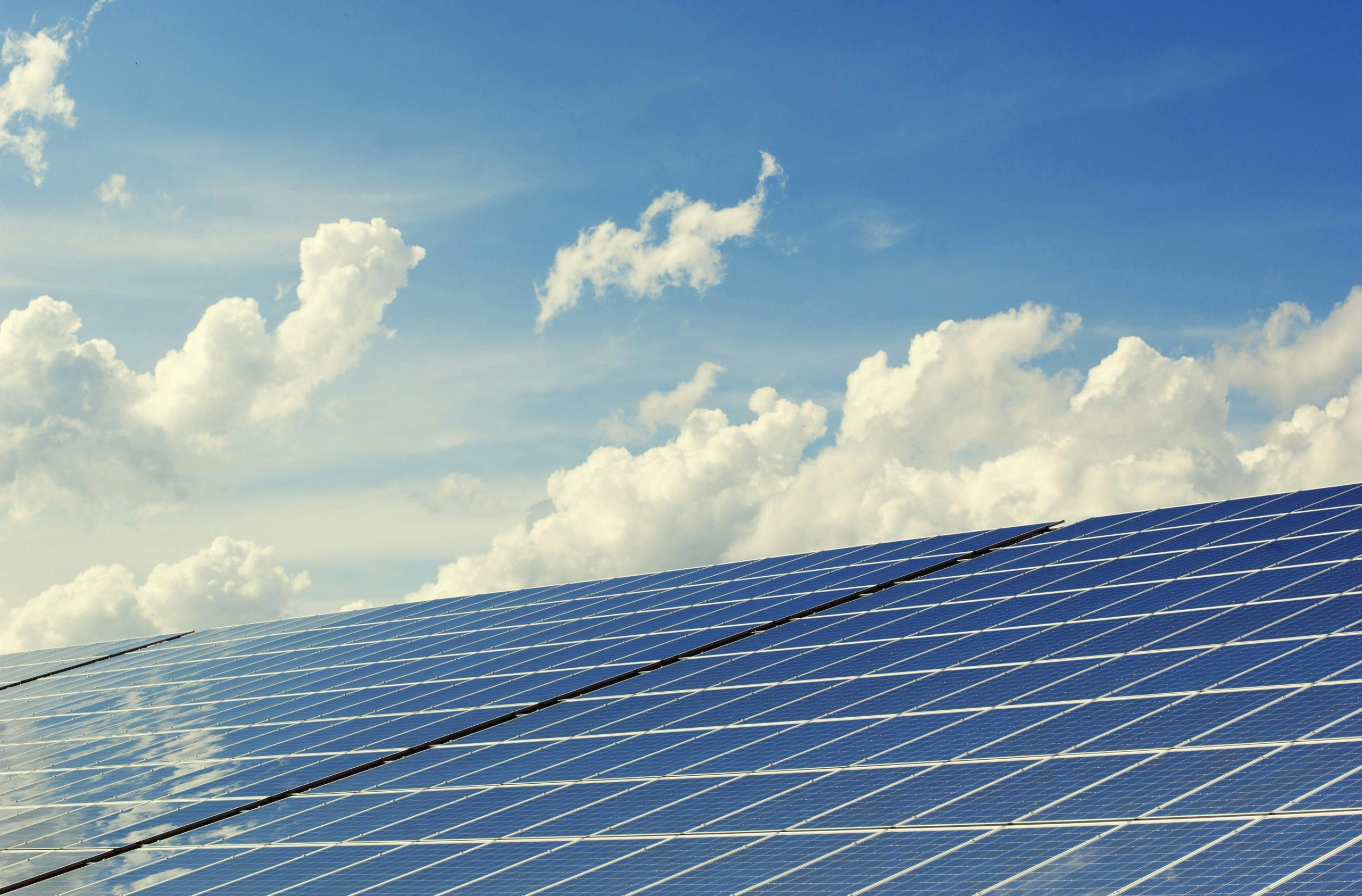

- Solar panels don’t require direct sunlight to work: They can generate electricity from diffused light on cloudy or overcast days, though output is higher in full sun.
- Panel type matters for low-light conditions: Monocrystalline panels perform best in indirect sunlight, while polycrystalline and thin-film panels may be less efficient.
- Roof angle and orientation impact efficiency: South-facing roofs (north in the southern hemisphere) with proper tilt capture the most sunlight, but east- or west-facing roofs can still generate significant energy.
- Shade can reduce output, but modern systems help: Microinverters and power optimizers allow panels to perform efficiently even if some panels are shaded.
- Seasonal changes affect energy production: Winter brings shorter days and lower sun angles, while summer provides longer, more intense sunlight—yearly output balances out over time.
- Efficiency can be improved without full sun: Adjusting tilt, trimming shade, cleaning panels, using tracking systems, and adding battery storage all help maximize performance.
- Solar panels still save money with partial sunlight: Even homes that don’t get full sun can see energy savings of 25–60%, making solar a valuable long-term investment.
Installing solar panels is one of the smartest moves a homeowner can make, but there’s one question that comes up a lot: do solar panels need direct sunlight to work? It’s a valid concern, especially if your roof isn’t perfectly exposed to the sun all day. In this guide, we’ll break down the facts, explore how solar panels work, and give you practical tips to make the most of your investment—even if your roof isn’t in full sun.
How Do Solar Panels Actually Work?
Before answering whether panels need direct sunlight, it’s helpful to understand how they work. Solar panels convert sunlight into electricity using photovoltaic (PV) cells. When sunlight hits the panel, photons excite electrons, creating an electrical current.
Some key points about solar panels:
- PV cells are designed to capture sunlight and convert it into energy efficiently.
- Direct sunlight produces the highest energy output, but panels can still generate electricity on cloudy or overcast days.
- The efficiency of a solar panel depends on several factors, including the type of panel, angle, and exposure to light.
So, while direct sunlight is ideal, it’s not the only way solar panels produce power.
Do Solar Panels Need Direct Sunlight to Work?
The short answer is no, solar panels do not require direct sunlight to generate electricity. They are designed to work even with diffused sunlight, which is sunlight that’s scattered by clouds, haze, or pollution. While direct sunlight produces the highest energy output, panels can still produce energy on overcast or hazy days—just at a lower rate.
Think of it like driving a car: on a bright, sunny day, your panels are running at full speed. On a cloudy day, they’re still moving forward, just a little slower.
Several factors influence how much energy your panels can generate without direct sunlight:
Panel Type
Monocrystalline panels are generally more efficient in low-light conditions because they are made from a single high-purity silicon crystal, which allows them to capture more light. Polycrystalline panels, on the other hand, are slightly less efficient and more affected by clouds or shading.
Angle and Orientation
Solar panels that are angled and oriented correctly capture more sunlight. In the northern hemisphere, panels facing south get the most exposure throughout the day; in the southern hemisphere, north-facing panels are ideal.
Shade and Obstructions
Trees, chimneys, nearby buildings, or even satellite dishes can block sunlight, reducing overall output. Even partial shade can affect performance if it hits critical areas of the panels.
Understanding these factors helps homeowners optimize solar energy production, even if their roof isn’t in full sun all day.
How Much Sunlight Do Solar Panels Really Need?
A common concern for homeowners is whether their roof gets “enough” sunlight. The truth is, solar panels don’t need constant direct sunlight, but they do need a minimum number of sunlight hours to make a noticeable impact on energy bills.
Here’s a rough guideline:
- 4–5 hours of sunlight per day: Panels can generate a reasonable amount of electricity. This may cover some of your daytime energy needs, but savings may be moderate.
- 6–8 hours of sunlight per day: This is generally optimal for residential installations and allows you to maximize the return on your investment.
- Less than 3 hours per day: Panels will still work, but energy production and savings are limited. In such cases, you may need a larger system to make it worthwhile.
Even in regions with frequent cloud cover or shorter daylight hours, solar panels can still make a difference. The key is smart placement and technology choices, such as using high-efficiency panels or microinverters, to ensure your system captures as much sunlight as possible.
Can Solar Panels Work on Cloudy or Rainy Days?
Yes! Solar panels are not completely dependent on sunny skies. Indirect sunlight, which comes from diffused light on cloudy or rainy days, still contains photons that PV cells can convert into electricity. While energy production may drop to 10–25% of peak performance, your panels are still generating usable power.
Here are some tips to maximize output in less sunny conditions:
- Use high-efficiency panels: Some panels are specifically rated for low-light performance and maintain better output on cloudy days.
- Clean your panels regularly: Dust, pollen, leaves, and bird droppings can reduce light absorption. A clean panel can make a noticeable difference, especially when sunlight is limited.
- Install microinverters: Microinverters convert DC to AC electricity at the panel level, ensuring that shading or reduced sunlight on one panel doesn’t affect the rest of the system.
Even in regions with frequent rain or overcast skies, solar panels can provide a meaningful contribution to your energy needs, reducing reliance on the grid.
Does Roof Orientation Matter?
Yes, roof orientation significantly affects solar panel efficiency. While panels can work without perfect orientation, some setups produce more energy than others:
- Northern hemisphere: Panels should face south to maximize sun exposure.
- Southern hemisphere: Panels should face north.
- East- or west-facing roofs: Panels will still generate electricity but may produce slightly less energy compared to south-facing installations.
Even if your roof isn’t perfectly oriented, solar panels can still be effective, especially if you optimize the tilt and consider panel technology designed for low-light performance. Proper planning can ensure that your panels produce enough electricity to justify the investment.
What About Shaded Areas? Do Solar Panels Need Direct Sunlight in Shade?
Shade can reduce solar output, but it doesn’t render panels useless. Modern solar systems handle partial shading effectively with the right setup:
- Microinverters: Convert DC to AC electricity at each panel, so a shaded panel doesn’t drag down the rest of the system.
- Power optimizers: Similar to microinverters, these devices maximize energy production on a panel-by-panel basis.
- Panel placement: Avoid major obstructions like trees, chimneys, or roof equipment to reduce shading.
By addressing shading issues upfront, homeowners can ensure their panels still produce energy efficiently even without direct sunlight.
Types of Solar Panels and How They Handle Light
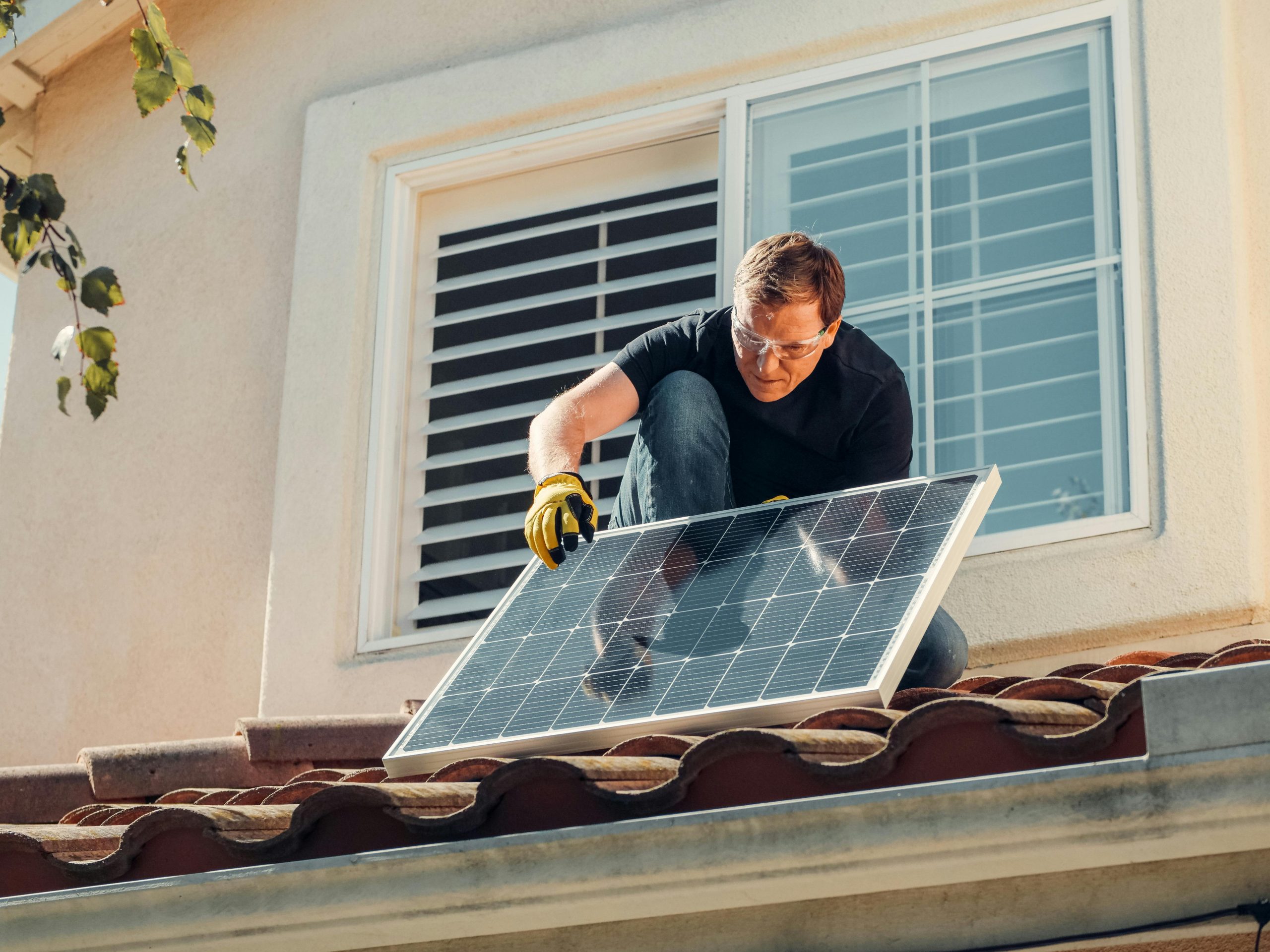
Not all solar panels perform the same under indirect sunlight. Here’s a quick overview:
- Monocrystalline Panels: Made from a single high-purity silicon crystal, these panels are highly efficient and perform better in low-light conditions.
- Polycrystalline Panels: Slightly less efficient than monocrystalline panels and more sensitive to shading, but often more cost-effective.
- Thin-Film Panels: Flexible and lightweight, these panels can perform reasonably well in diffuse light, though their overall efficiency is generally lower.
Choosing the right panel type for your climate, roof angle, and sunlight exposure is crucial for maximizing energy output, especially if direct sunlight is limited.
How Seasonal Changes Affect Solar Panel Efficiency
Sunlight availability changes with the seasons, affecting energy production:
- Winter: Shorter days and lower sun angles reduce output, but panels still work. Snow can temporarily block sunlight, but most panels shed snow due to their tilt.
- Summer: Longer days and higher sun intensity increase energy production, often compensating for winter months.
- Rainy or cloudy seasons: Panels operate at reduced efficiency but still generate electricity.
Seasonal variations mean energy production fluctuates throughout the year, but a well-designed system typically balances out over time. Planning for seasonal differences ensures consistent electricity generation year-round.
Can You Increase Solar Efficiency Without Direct Sunlight?
Even without full sun, there are several strategies to boost your system’s efficiency:
- Adjust tilt angle: Panels should be angled to capture the most sunlight based on your location’s latitude.
- Use tracking systems: Motorized trackers follow the sun throughout the day, increasing energy capture.
- Reduce shade: Trim nearby trees and remove obstructions to maximize sunlight exposure.
- Regular cleaning: Dust, dirt, and debris can block sunlight, so keep your panels clean.
- Energy storage: Pair panels with a battery system to store excess energy for cloudy days or nighttime use.
By implementing these strategies, homeowners can ensure that their solar system performs as efficiently as possible, even if direct sunlight is limited.
How Much Will I Save If My Panels Don’t Get Full Sun?
Solar panels produce less energy when sunlight is limited, but you can still save money:
- Partial sunlight homes: Savings may range from 25–60% of potential maximum energy output.
- Full sun homes: Savings can reach 70–100% of electricity needs.
Even if your roof doesn’t get full sun, solar panels can reduce your energy bills and provide long-term value.
Myths About Solar Panels and Sunlight
There are several common misconceptions homeowners have:
- Myth: Solar panels don’t work without full sun.
- Fact: Panels produce electricity even in cloudy or shaded conditions.
- Myth: Roofs must be perfectly south-facing.
- Fact: East- or west-facing roofs can still generate significant energy.
- Myth: Solar panels are useless in winter.
- Fact: Panels work year-round, though output varies with sunlight.
Debunking these myths can help homeowners make informed decisions about solar installation.
FAQs About Solar Panels and Sunlight
Can solar panels work indoors?
No, they need sunlight—even diffused sunlight. Artificial light isn’t strong enough to generate significant electricity.
Do solar panels work at night?
No, solar panels require sunlight. Batteries or the grid are needed for nighttime energy use.
How do I know if my roof gets enough sunlight?
Use tools like solar pathfinders or online solar calculators to estimate sunlight exposure and potential energy output.
Will solar panels work in snowy climates?
Yes, they still generate electricity in winter. Snow may block light temporarily, but panels usually shed snow naturally due to their smooth surface and angle.
The Bottom Line
So, do solar panels need direct sunlight? Not exactly. While direct sunlight maximizes efficiency, solar panels can still produce electricity in cloudy, shaded, or indirect light conditions. With the right panel type, placement, and technology, almost any home can benefit from solar energy.
Before installing solar panels, consider your roof orientation, shading, and local climate. Consult a professional solar installer to design a system that works efficiently for your specific conditions. Even if your home doesn’t have perfect sun exposure, solar panels remain a valuable investment for energy savings and long-term sustainability.