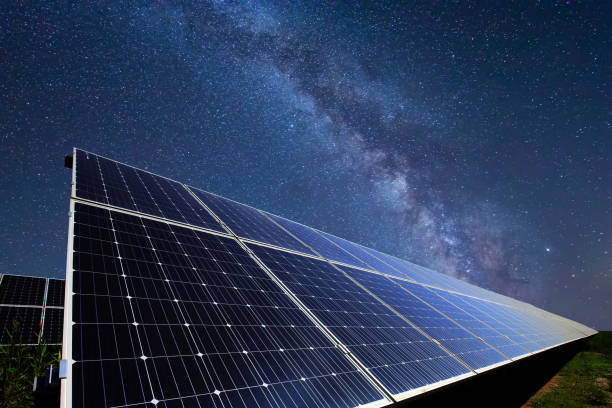

- Solar panels don’t generate electricity at night: They require sunlight, and even moonlight is too weak to produce power.
- Energy storage is key for nighttime use: Solar batteries store excess energy produced during the day for use after sunset.
- Grid-tied systems provide continuous power: Homes can draw electricity from the grid at night, with excess daytime energy often credited through net metering.
- Hybrid systems offer the best flexibility: Combining batteries and grid connection ensures power availability at night and during outages.
- Battery size matters for nighttime energy needs: Storage capacity should match your home’s nighttime consumption for effective power use.
- Energy efficiency maximizes nighttime solar use: Using energy-efficient appliances and managing usage helps stored solar power last longer.
- Solar panels remain a smart investment: Even if panels can’t produce power at night, storage, grid connections, and smart energy management make solar cost-effective and sustainable.
Solar panels have become one of the most popular ways for homeowners to reduce energy bills and make their homes more sustainable. But one question comes up often: do solar panels work at night? Understanding how solar panels produce energy, the role of storage systems, and how to plan for nighttime electricity is crucial for anyone considering solar. In this guide, we’ll break down the facts, debunk myths, and give practical tips for keeping your home powered 24/7.
How Do Solar Panels Generate Electricity?
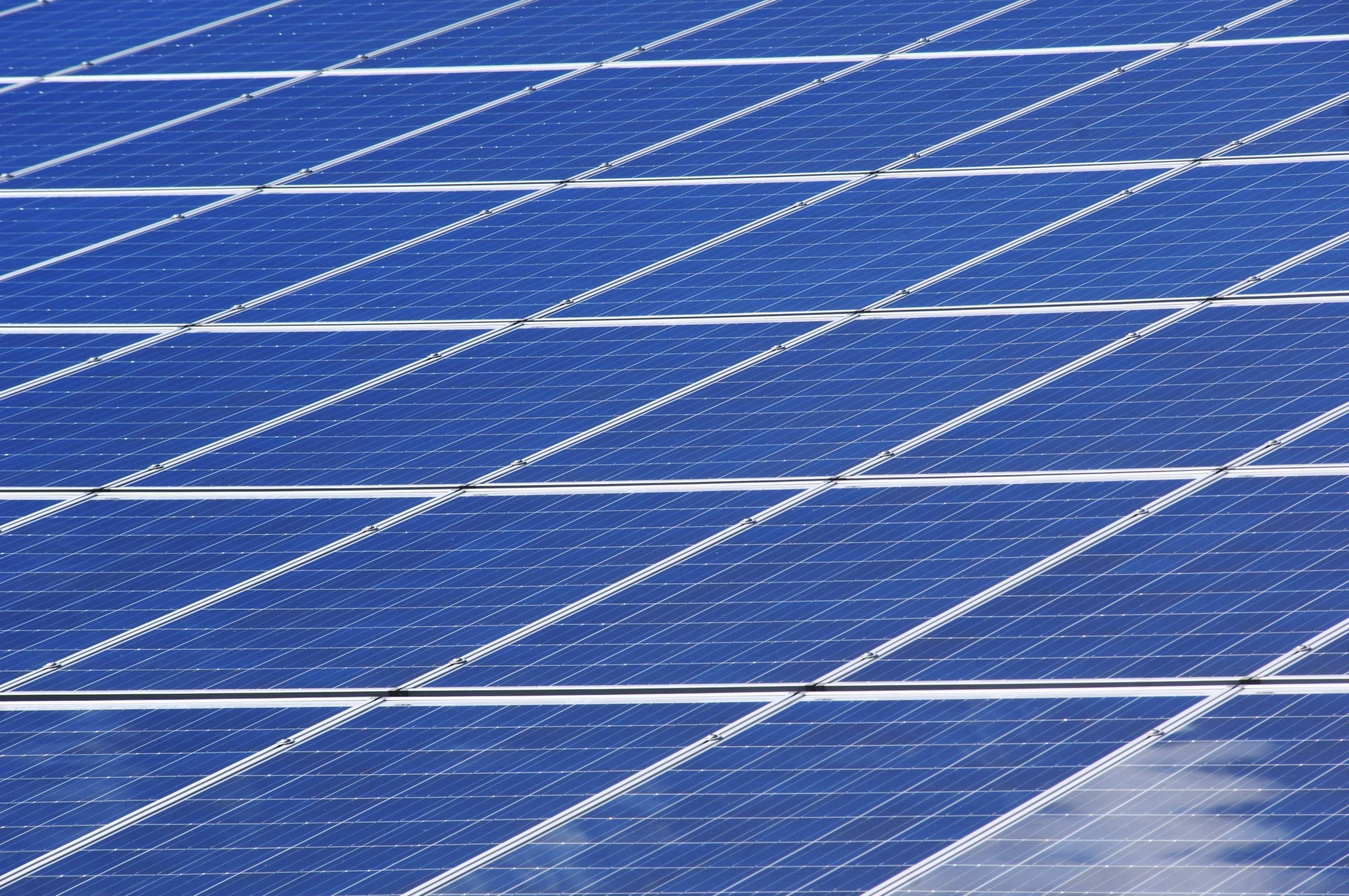
To answer the question of whether solar panels work at night, it helps to understand how they generate electricity. Solar panels are made of photovoltaic (PV) cells, which convert sunlight into electrical energy. When sunlight hits the PV cells, photons excite electrons, creating a flow of electricity.
Key points to know:
- Solar panels rely on visible sunlight to generate power.
- Direct sunlight produces maximum energy output, but panels can also generate electricity in indirect or diffused light.
- At night, there’s no sunlight, so panels cannot produce electricity.
While panels themselves don’t work at night, there are ways homeowners can use the energy they generated during the day to power their homes after sunset.
Why Solar Panels Don’t Work at Night
It might seem obvious, but the main reason solar panels don’t work at night is simple: they need sunlight. Without photons hitting the solar cells, there’s nothing to generate the electrical current.
Other factors include:
- No ambient light: Even moonlight is too weak to produce usable electricity.
- Temperature doesn’t replace sunlight: Solar panels do not generate electricity from heat alone; sunlight is required.
- Panel orientation and design: Solar panels are optimized for sunlight exposure during the day, not for nighttime conditions.
Understanding this limitation is important because it clarifies why solar systems are often paired with storage or grid connections for continuous power.
Can Solar Panels Store Energy for Night Use?
Yes! While solar panels themselves don’t work at night, most modern solar systems allow homeowners to store energy for later use. Energy storage is the key to keeping your home powered after the sun goes down.
Options for storing energy include:
- Solar batteries: These devices store excess electricity generated during the day for use at night or during power outages.
- Grid-tied systems: Excess energy is sent back to the grid, and homeowners can draw electricity from the grid when solar panels aren’t producing power.
- Hybrid systems: Combine solar batteries and grid connection for maximum flexibility and continuous power availability.
By using storage systems, homeowners can effectively use their solar energy 24/7, even though the panels themselves aren’t generating power at night.
How Do Solar Batteries Work?
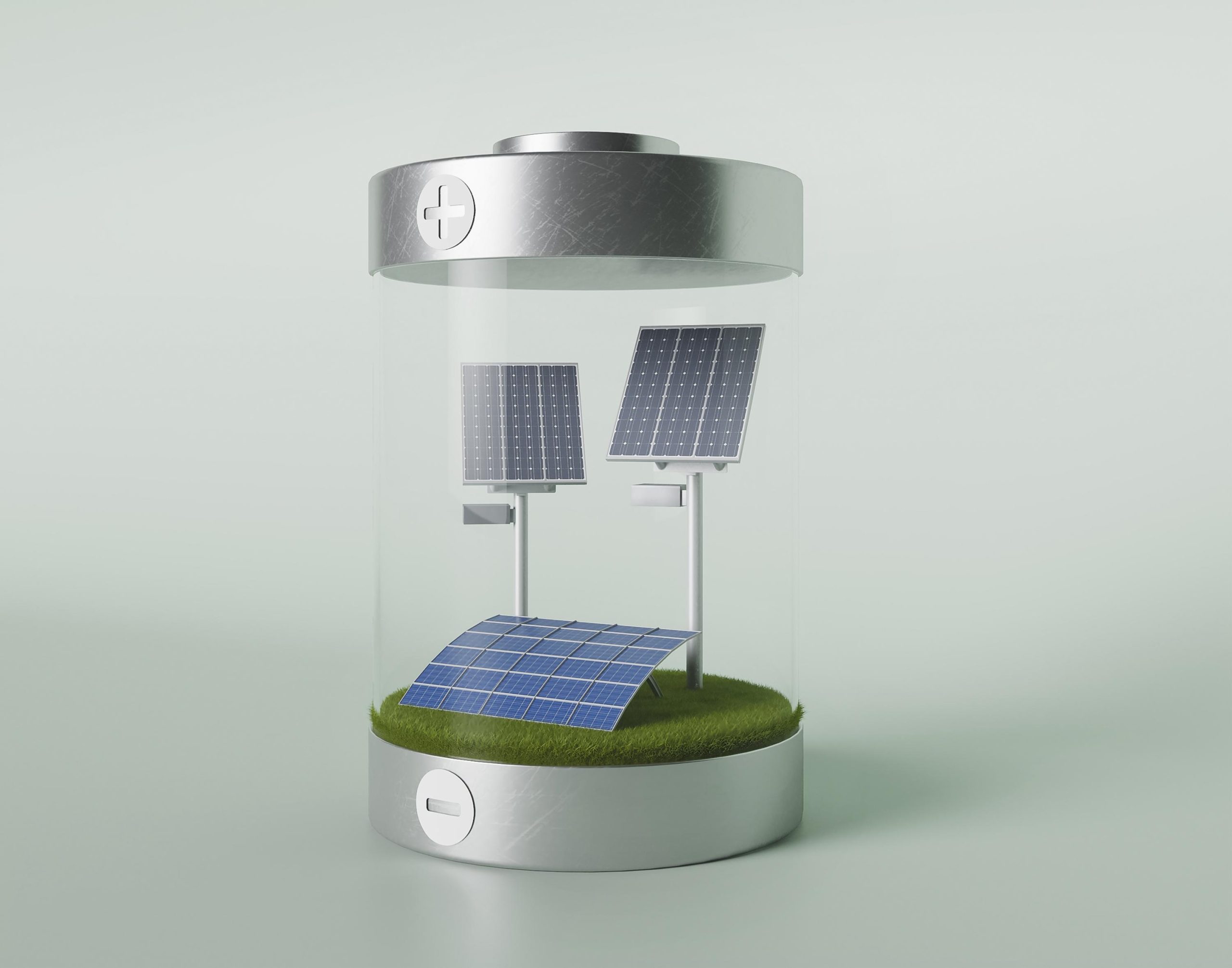
Solar batteries are a game-changer for homeowners who want to rely more on their solar energy at night. Here’s how they work:
- Charging during the day: Solar panels generate electricity, which powers your home first. Any surplus energy is stored in the battery.
- Discharging at night: When the sun sets and solar panels stop producing electricity, the battery discharges stored energy to power your appliances.
- Backup during outages: Batteries can provide emergency power when the grid goes down.
Popular types of solar batteries include lithium-ion and lead-acid. Lithium-ion batteries are more efficient, last longer, and take up less space, while lead-acid batteries are more affordable but have a shorter lifespan.
Do All Solar Systems Include Batteries?
Not all solar systems come with batteries. There are three main types of solar installations:
- Grid-tied systems: Connected to the utility grid, these systems send excess energy back to the grid and draw electricity when solar isn’t producing power. Batteries are optional.
- Off-grid systems: Completely independent of the utility grid and rely entirely on batteries for nighttime and cloudy-day power.
- Hybrid systems: Grid-connected systems with batteries for energy storage, providing flexibility for nighttime use and outages.
Choosing the right system depends on your energy needs, budget, and how much independence you want from the grid.
Can You Run a Home Fully on Solar Energy at Night?
Running a home entirely on solar energy at night is possible, but it requires planning and the right equipment:
- Adequate battery storage: Your battery bank must store enough energy to cover nighttime usage.
- Energy-efficient appliances: Reducing energy consumption helps batteries last longer.
- Monitoring and management: Smart home systems or energy monitors can help manage stored energy efficiently.
Most homeowners combine solar panels with a grid connection for continuous power, as fully off-grid systems can be expensive and require careful energy management.
How Much Battery Storage Do You Need for Nighttime Power?
The amount of storage you need depends on your energy usage and nighttime needs.
- Small homes or apartments: A 5–10 kWh battery may be sufficient for essential appliances at night.
- Average households: 10–20 kWh can cover lighting, refrigeration, and electronics overnight.
- Large homes: 20 kWh or more may be required for full nighttime coverage, especially if running high-consumption appliances like air conditioning or electric water heaters.
Energy-efficient habits, like using LED lights or limiting high-power devices at night, can reduce storage requirements.
Can Solar Panels Work at Night with Moonlight?
Many homeowners wonder if solar panels can capture moonlight. The answer is no—moonlight is far too weak to generate usable electricity. Solar panels need direct or diffused sunlight to work effectively. Moonlight has only about 0.05 lux of brightness compared to over 100,000 lux on a sunny day, which is insufficient to power solar cells.
This is why solar storage or a grid connection is essential for nighttime electricity.
How Grid-Tied Solar Systems Provide Nighttime Power
Grid-tied solar systems don’t rely on batteries to provide power at night. Here’s how they work:
- During the day, your panels generate electricity and send excess to the grid.
- At night, when panels stop producing power, your home draws electricity from the grid.
- You may receive credits for the energy you sent to the grid during the day, a system called net metering.
Grid-tied systems are cost-effective, as you don’t need to invest in expensive batteries, but they don’t provide backup power during outages unless paired with storage.
Tips to Maximize Nighttime Solar Power
Even though solar panels don’t work at night, you can take steps to make sure you have enough electricity after dark:
- Install a solar battery system to store excess daytime energy.
- Monitor your energy usage to ensure batteries last through the night.
- Use energy-efficient appliances to reduce nighttime demand.
- Consider hybrid systems that combine battery storage and grid connection for flexibility.
- Schedule high-energy activities during the day, like laundry or charging electronics, to reduce nighttime load.
These strategies help homeowners make the most of their solar investment while maintaining continuous power.
Common Myths About Solar Power at Night
There are a few misconceptions about solar panels and nighttime power:
- Myth: Solar panels generate electricity at night.
- Fact: Panels only produce electricity from sunlight, not moonlight or artificial light.
- Myth: Batteries aren’t necessary if you have solar panels.
- Fact: Without batteries or a grid connection, your home will have no power after dark.
- Myth: Solar systems are useless in areas with long nights.
- Fact: Properly sized batteries or grid-tied systems ensure continuous power regardless of night length.
Clearing up these myths helps homeowners set realistic expectations and plan their solar system effectively.
Are Solar Panels Worth It if You Need Nighttime Power?
Yes, solar panels are still a valuable investment, even if you need power at night. With proper planning, storage, and energy management, solar panels can significantly reduce electricity bills and provide long-term energy security.
Benefits include:
- Lower energy costs by using stored solar energy instead of paying for grid electricity.
- Environmental impact by reducing reliance on fossil fuels.
- Backup power during outages if you have batteries installed.
- Energy independence for off-grid or hybrid systems.
Even if your home relies on the grid at night, the savings and environmental benefits during the day make solar panels a smart choice.
FAQs About Solar Panels and Nighttime Power
Do solar panels produce electricity at night?
No, solar panels require sunlight. They cannot generate electricity without it.
Can I use moonlight to power solar panels?
No, moonlight is far too weak to generate usable electricity.
How can I get solar power at night?
By using solar batteries to store daytime energy or connecting to the grid with net metering.
Do I need batteries for a solar system?
Not necessarily. Grid-tied systems can provide power at night, but batteries are required for off-grid setups or backup power.
How much battery storage do I need for nighttime?
It depends on your energy usage, home size, and desired backup duration—typically 5–20 kWh for average households.
So, Do Solar Panels Work at Night?
Solar panels generate electricity only when exposed to sunlight, but with batteries or a grid connection, homeowners can use the energy generated during the day to power their homes at night. By understanding storage options, energy management, and system types, homeowners can enjoy continuous power, save on electricity bills, and maximize the benefits of their solar investment.
Solar energy is more than just daytime electricity—it’s a long-term solution that, with proper planning, provides reliable energy around the clock.